Student Voice
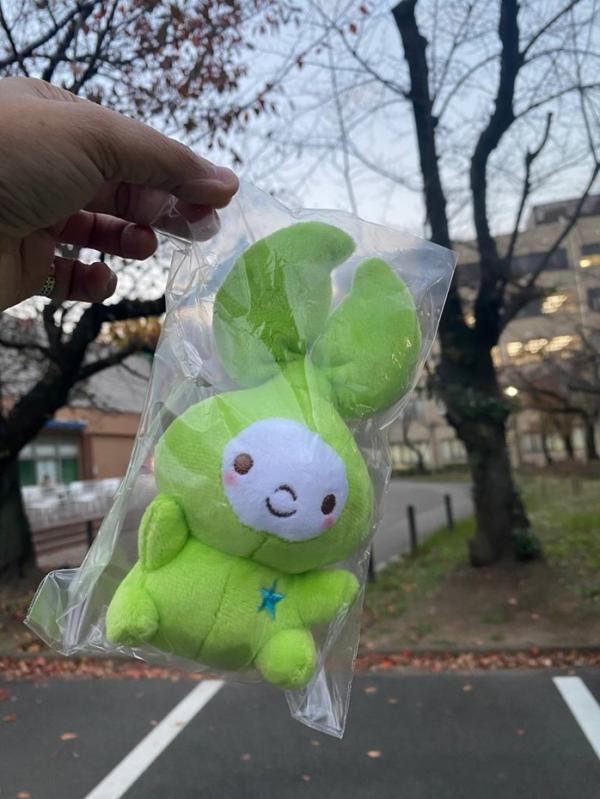
Thinzar
Nationality
Myanmar
University/Institution Name
Saitama University
Department/Faculty
Graduate School of Humanities & Social Sciences
Period of study abroad
September 2025 to October 2027
What did you do before studying in Japan?
Freelance Japanese language tutor
Why did you choose to study in Japan?
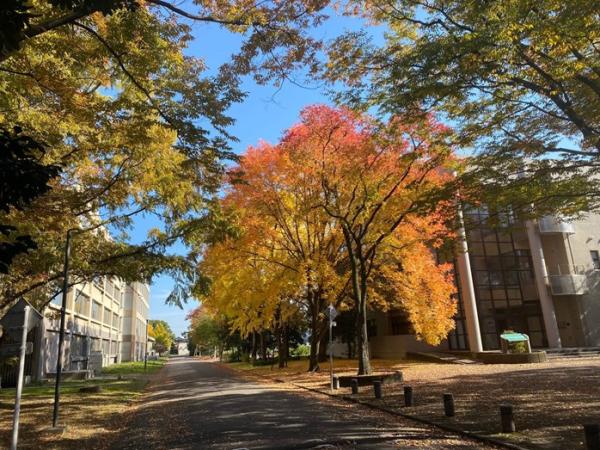 I chose to study in Japan because of my background in Japanese language and my previous work experience with Japanese colleagues, which inspired me to further deepen my knowledge. In addition, Japan offers high-quality education and an excellent research environment. I was also attracted to Japan as a country where rich cultural traditions coexist with advanced modern technology, providing a unique environment to learn both academically and culturally.
How did you prepare for studying in Japan?
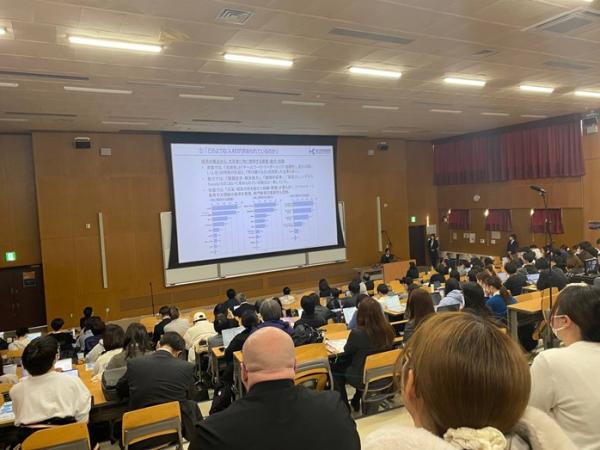 I began by considering what I wanted to study and which field I wanted to focus on. Then, I researched universities and programs that matched my interests. I also contacted OJEIC for consultation and guidance on the application process. I prepared the required documents, including language certificates, and carefully researched potential supervisors, as it was important to know their research areas to have my graduate proposal accepted. If I had any questions or needed clarification, I reached out to the university’s admission office directly. This process helped me understand both academic requirements and administrative procedures for studying in Japan.
What are you studying/researching in Japan?
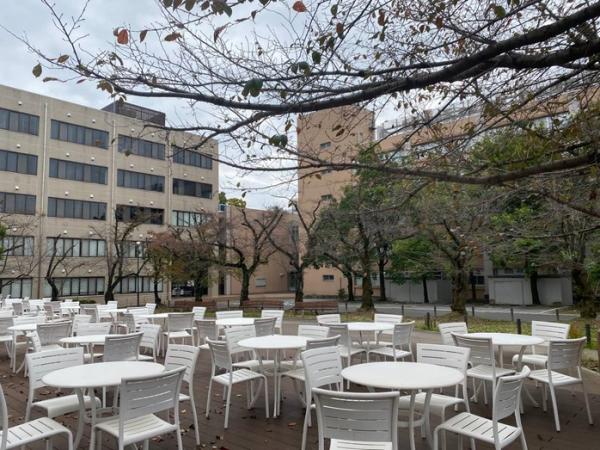 I am currently studying in the Department of Humanities and Social Sciences, focusing on Japanese and Asian Studies, with an emphasis on social and cultural studies. My research centers on community participation in the tourism industry. For my thesis, I am exploring potential case studies such as Paddy Field Art in Gyoda City, Saitama Prefecture, or Kissaten (traditional cafés) in the Yanaka area of Tokyo. Through this research, I aim to understand how local communities engage with tourism and cultural activities, and how such participation contributes to both community development and cultural preservation.
What do you do in your personal time?
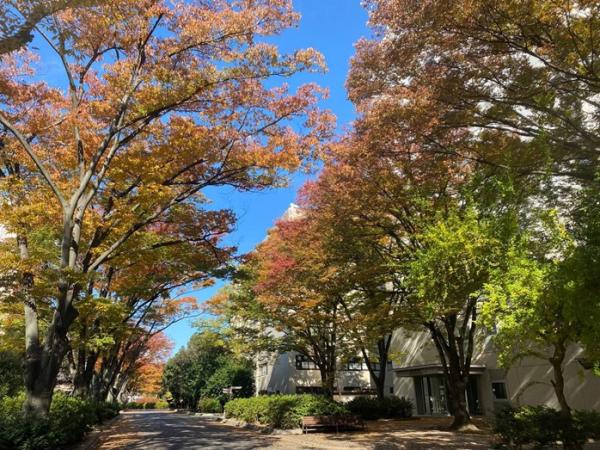 In my personal time, I enjoy meeting with friends, cooking, and playing board games. I also like reading at cafés, as I am a big coffee enthusiast. In addition, I work part-time and sometimes participate in volunteer activities. To support my research, I visit potential thesis sites, such as local communities, to explore and gather information firsthand.
Please tell us about your challenges in Japan and how you overcame them.
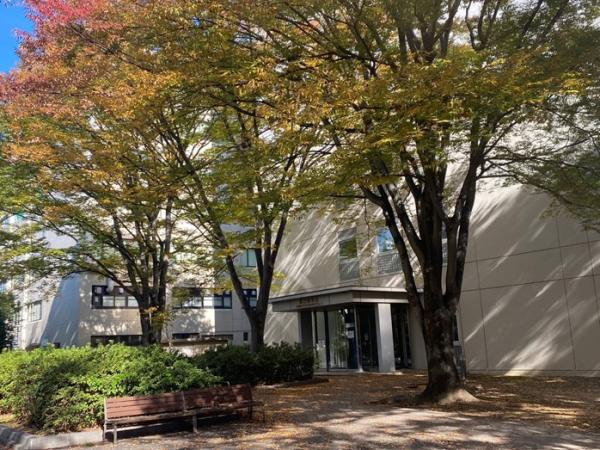 One of the main challenges I faced upon arriving in Japan at the end of September was adjusting to the temperature differences. Coming from Myanmar, which has a warm climate, and after spending a week in Bangkok, I experienced hot days and cool nights. As autumn progressed into December and January, the cold became more serious, and during the first few months, this made my body feel weak and even caused me to get sick at times. I overcame this by paying attention to my health, dressing in layers, keeping warm, eating properly, and gradually getting used to the seasonal changes. This experience taught me the importance of preparation and self-care when adapting to a new environment.
Any encouraging message and/or advice to those who wish to study in Japan.
I would encourage future students to embrace Japanese culture and respect the culture of others while maintaining and balancing their own traditions. Studying in Japan is not only an academic experience but also an opportunity to grow personally by understanding different perspectives, adapting to new environments, and learning to appreciate diversity. Accepting and respecting differences helps you build meaningful relationships and fully enjoy your life and studies in Japan.
